Individual products.
Soon directly configurable.
We are currently developing a digital product configurator that allows you to define formulations, dosage forms and packaging in a structured way online — in addition to our existing product range.

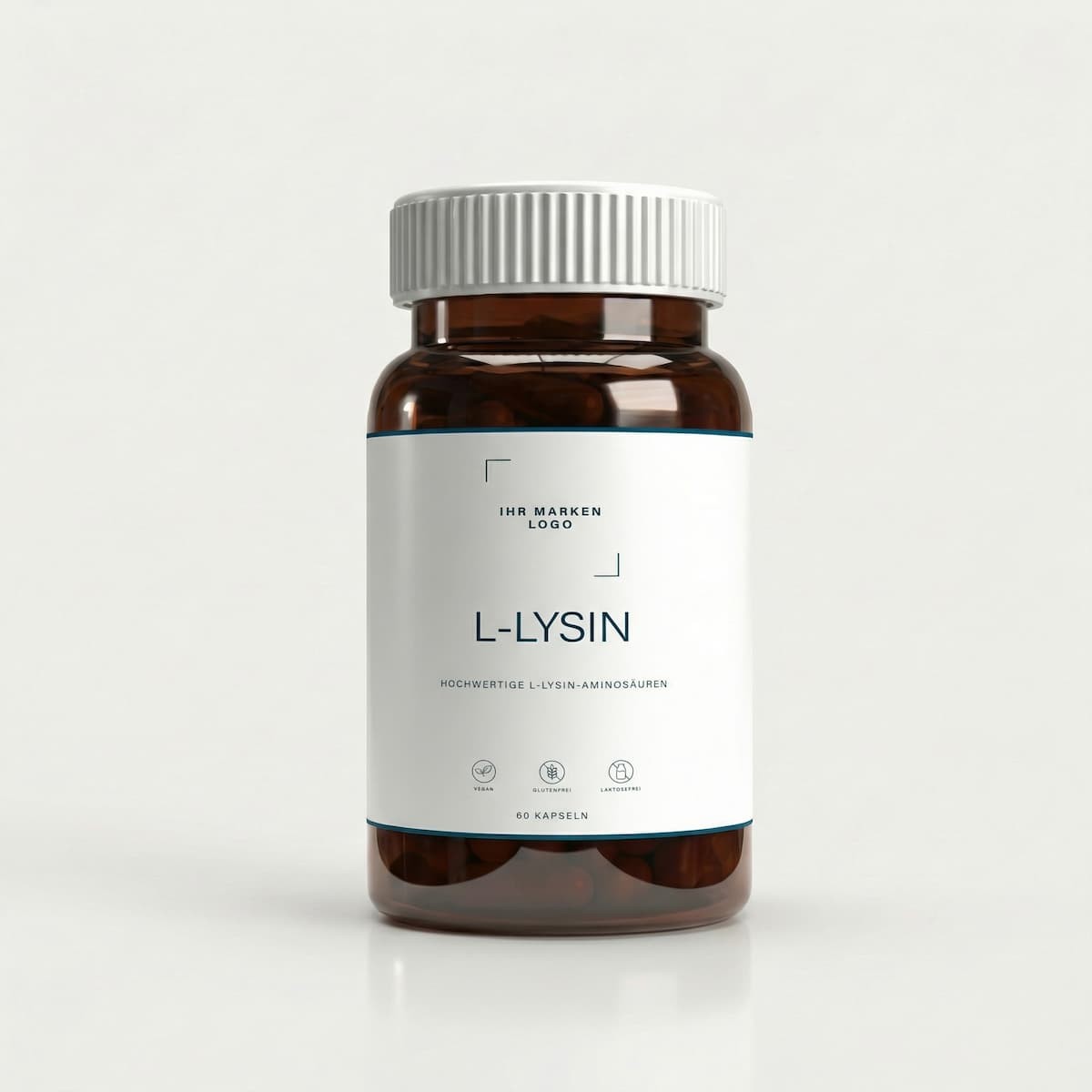
L-lysine contains the essential, basic amino acid L-lysine.
Best before date on request
High-dose single-ingredient formula: 1380 mg L-lysine per daily dose (3 capsules) for targeted and clearly quantifiable supplementation
Essential basic amino acid: L-lysine as a fundamental building block for collagen, connective tissue, blood vessels, bones, teeth, skin and hair
Supportive use in recurrent herpes episodes: To help maintain a favorable lysine-to-arginine ratio and support immune-related functions (based on experience and literature)
Support for blood vessels, connective tissue and muscles: L-lysine is an integral component of structural and functional proteins
Pure vegan amino acid supplement: HPMC capsules, free from gelatin, gluten-free and lactose-free – suitable for vegetarian or vegan diets and for individuals with sensitivities
Practice-oriented formulation: Only one active ingredient plus a plant-based capsule shell – clear declaration and no hidden additives
A powerful all-rounder for B2B product lines. Fits into any modern daily health product line
This product complements product lines in the areas of vital nutrients, plant-based ingredients, and minerals & trace elements—for modern, easily integrable solutions in the daily health segment.
For everyday mental well-being & restful nights
Suitable for formulations related to brain and nerve health, hormonal balance, bodily balance and electrolytes, as well as sleep and relaxation—ideal for products designed to address mental stress and provide daily support.
Instead of choosing from existing formulations, you can create your own combination of active ingredients. We’ll review the feasibility, dosage, and legal requirements for you.
Create your own formulation → To the configuratorReorder, variants and additional options — all in one central place.
Register nowWe are currently developing a digital product configurator that allows you to define formulations, dosage forms and packaging in a structured way online — in addition to our existing product range.
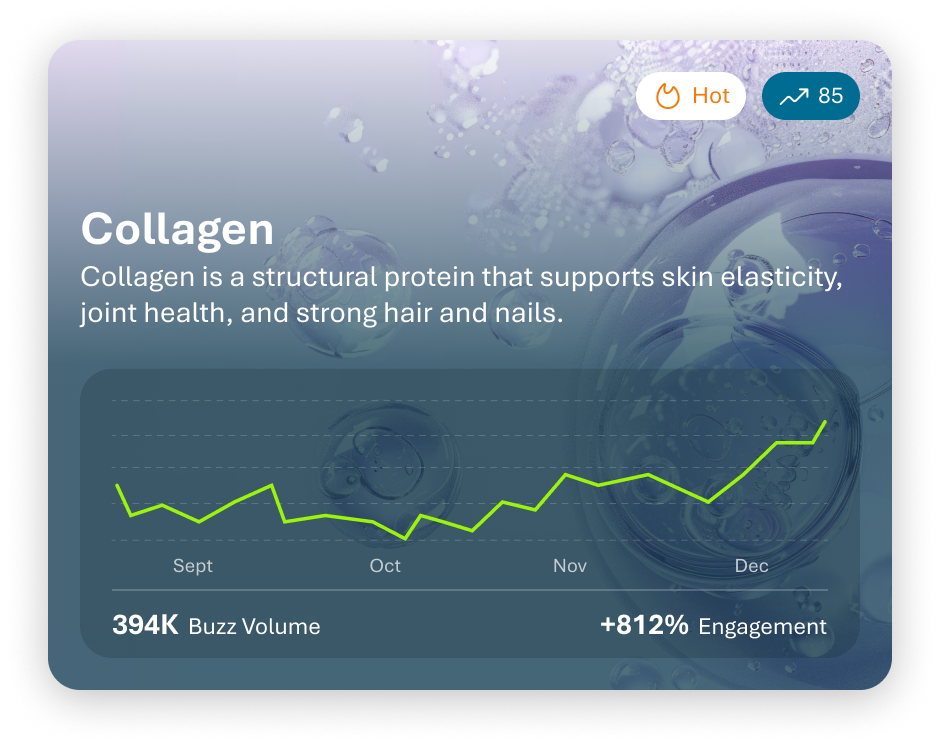
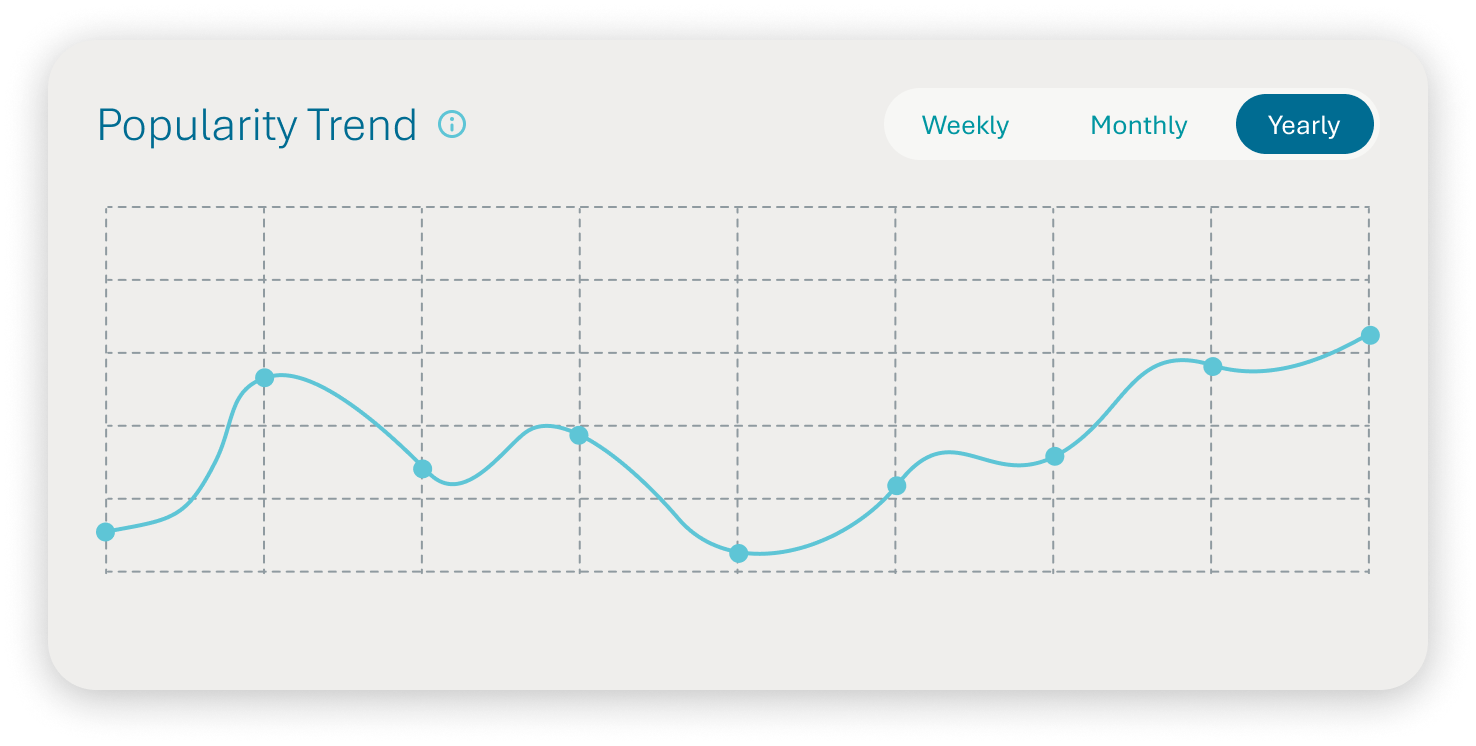
With our Trendradar, we analyze relevant active ingredients, fields of application and market developments at an early stage – as a basis for future-proof product ranges and well-founded product decisions.
Ingredients, application, and background information—for quick product selection and confident integration into your range.
L-lysine belongs to the nine essential amino acids, meaning that the human body cannot synthesize it and must obtain it continuously through the diet. Foods particularly rich in lysine include animal products such as dairy, eggs, meat and fish, while plant-based diets—especially those dominated by cereals—may tend to contain lower amounts of lysine.
Physiologically, L-lysine is a key building block of structural proteins. Together with glycine and proline, it plays a central role in collagen biosynthesis and is therefore involved in the formation and stability of connective tissue, bones, teeth, tendons, blood vessels, as well as skin and hair. Adequate lysine availability is thus fundamental for tissue structure, regeneration and wound healing.
L-lysine also participates in endogenous carnitine synthesis. L-carnitine is formed from L-lysine and L-methionine with the involvement of vitamin C, niacin and vitamin B6, and plays an essential role in the mitochondrial transport of fatty acids. In this way, L-lysine is indirectly involved in energy and fat metabolism.
In practice, L-lysine is often discussed in the context of recurrent herpes simplex infections. Diets richer in lysine and relatively lower in arginine, as well as supplemental lysine intake, have been associated in studies with reduced recurrence frequency and milder episodes. In this context, lysine is considered to compete with arginine, which has been discussed as a potential factor promoting viral replication. Within this framework, L-lysine may be used as a supportive measure related to immune function and wound healing, without exerting a pharmacological effect in the strict sense.
Life phases associated with increased requirements may include periods of growth (children and adolescents), intensive athletic activity, recovery phases, chronic stress, weakened immune status or older age. In such situations, targeted supplementation may help stabilize lysine intake and support structural and immune-related functions.
L-lysine in the form of L-lysine hydrochloride – physiologically active L-configuration, no D-isomers.
L-lysine as a key building block in collagen biosynthesis and crosslink formation in connective tissue, blood vessels, skin and bone.
Involvement in endogenous L-carnitine synthesis and thus in mitochondrial β-oxidation processes.
L-lysine is discussed in literature and practice in the context of recurrent herpes infections to modulate the lysine/arginine ratio and support wound healing processes.
100% plant-based capsule shells, free from gelatin, carrageenan, PEG and titanium dioxide.
Each batch is tested for identity, purity and content – suitable for the high standards of pharmacies, medical practices and healthcare providers.